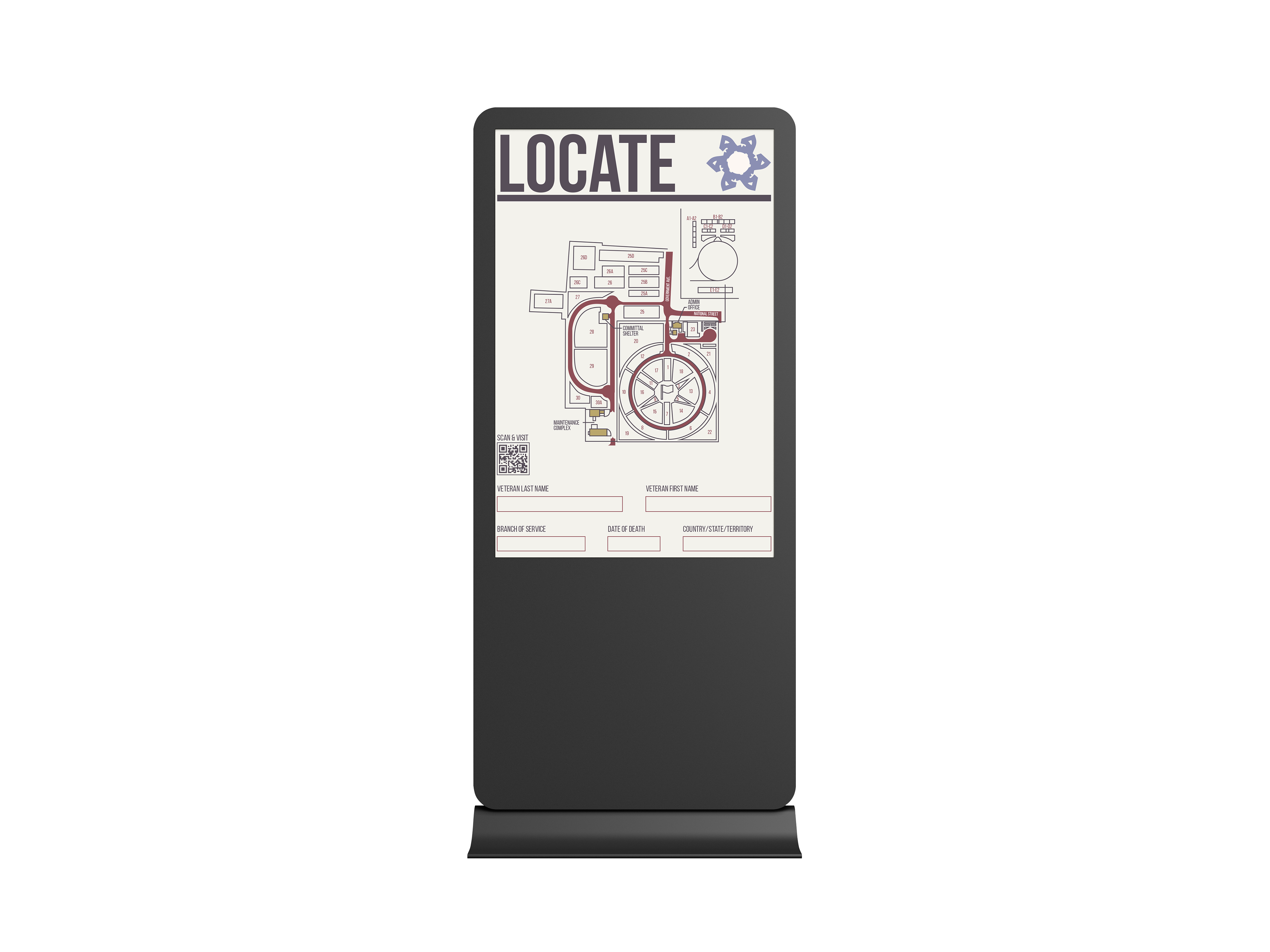
This project shows the creative process of creating a typographic wayfinding system for the Fayetteville National Cemetery. It was made in collaboration with Ellie Benson and Wyatt Pollet.
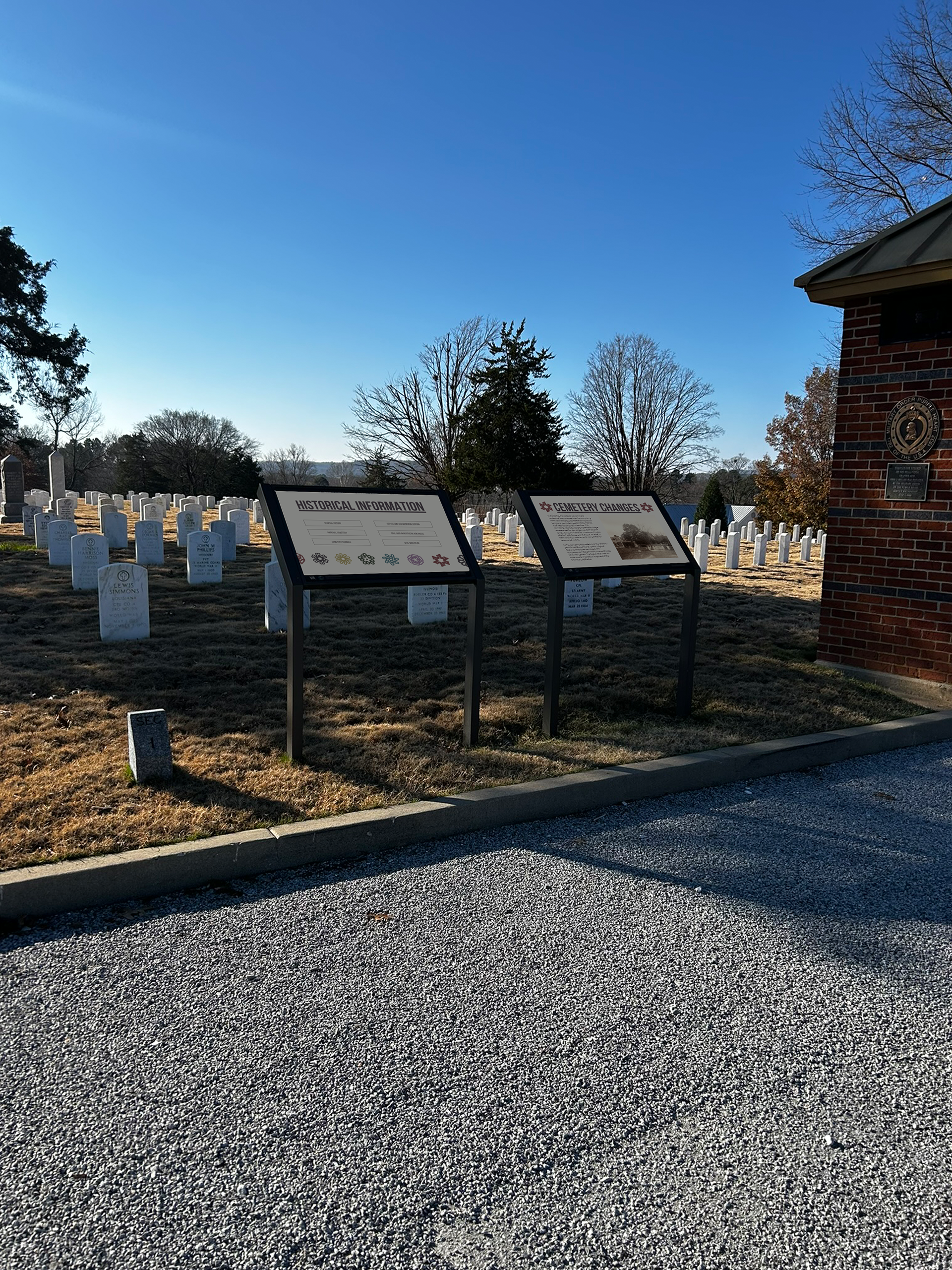
The Fayetteville National Cemetery is a quiet and solemn public space with strong visual uniformity; however, it lacks clear directional and interpretive signage, creating navigational uncertainty for visitors seeking specific graves or historical context.
There’s an opportunity to introduce discreet, respectful wayfinding that improves orientation while preserving the nature of the cemetery. The space presents a unique challenge: balancing digital interactivity and reverence.
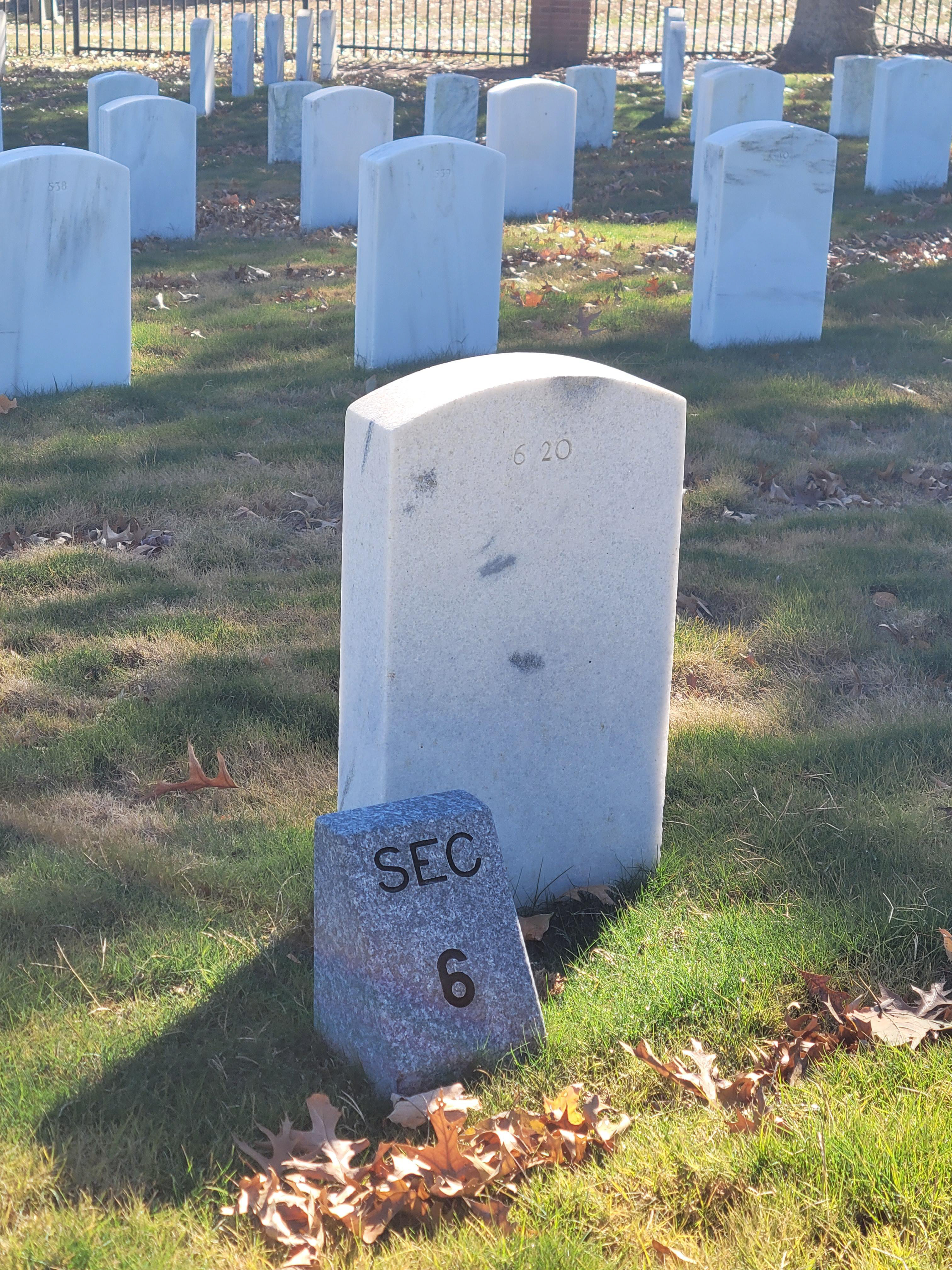
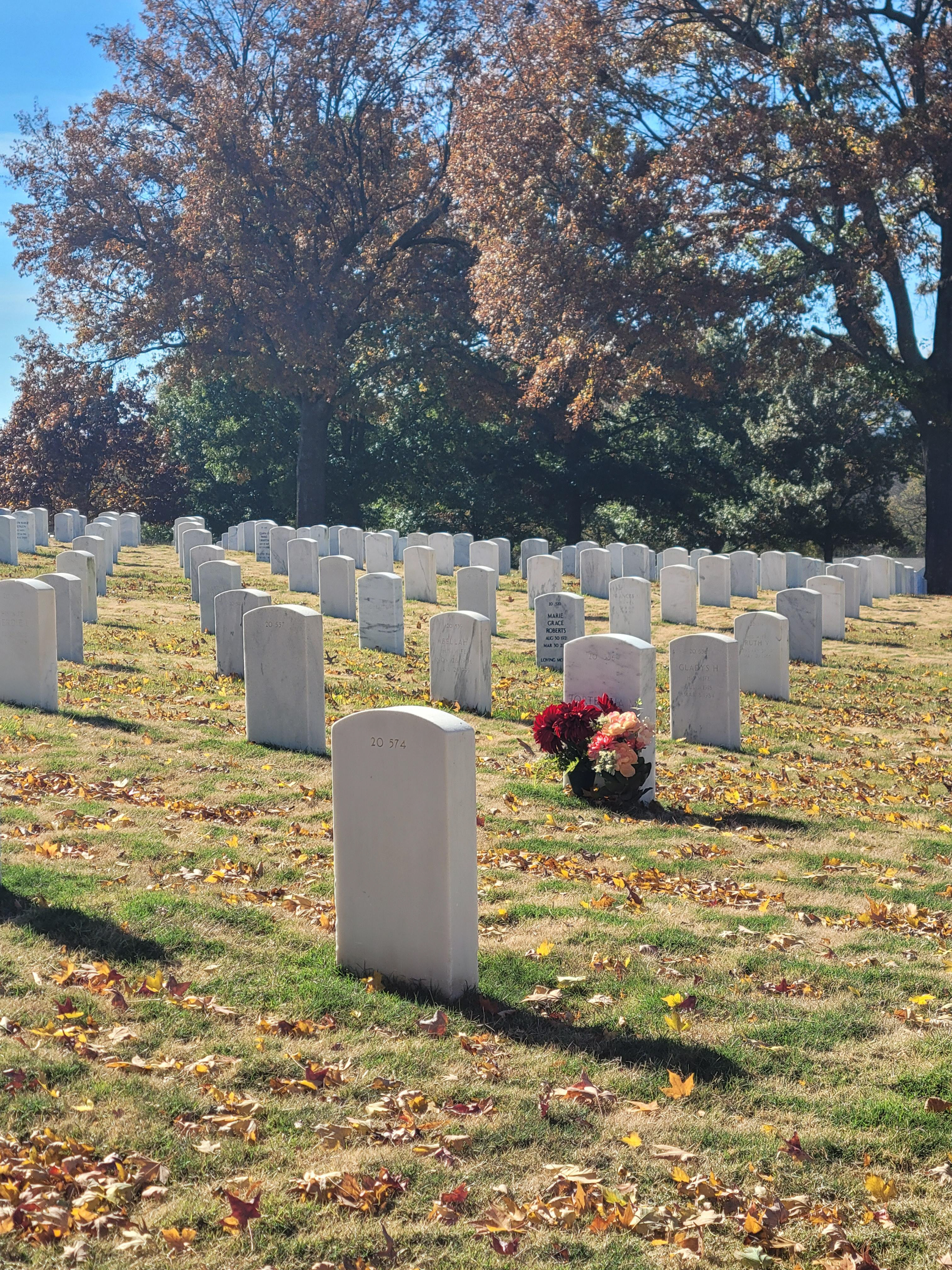

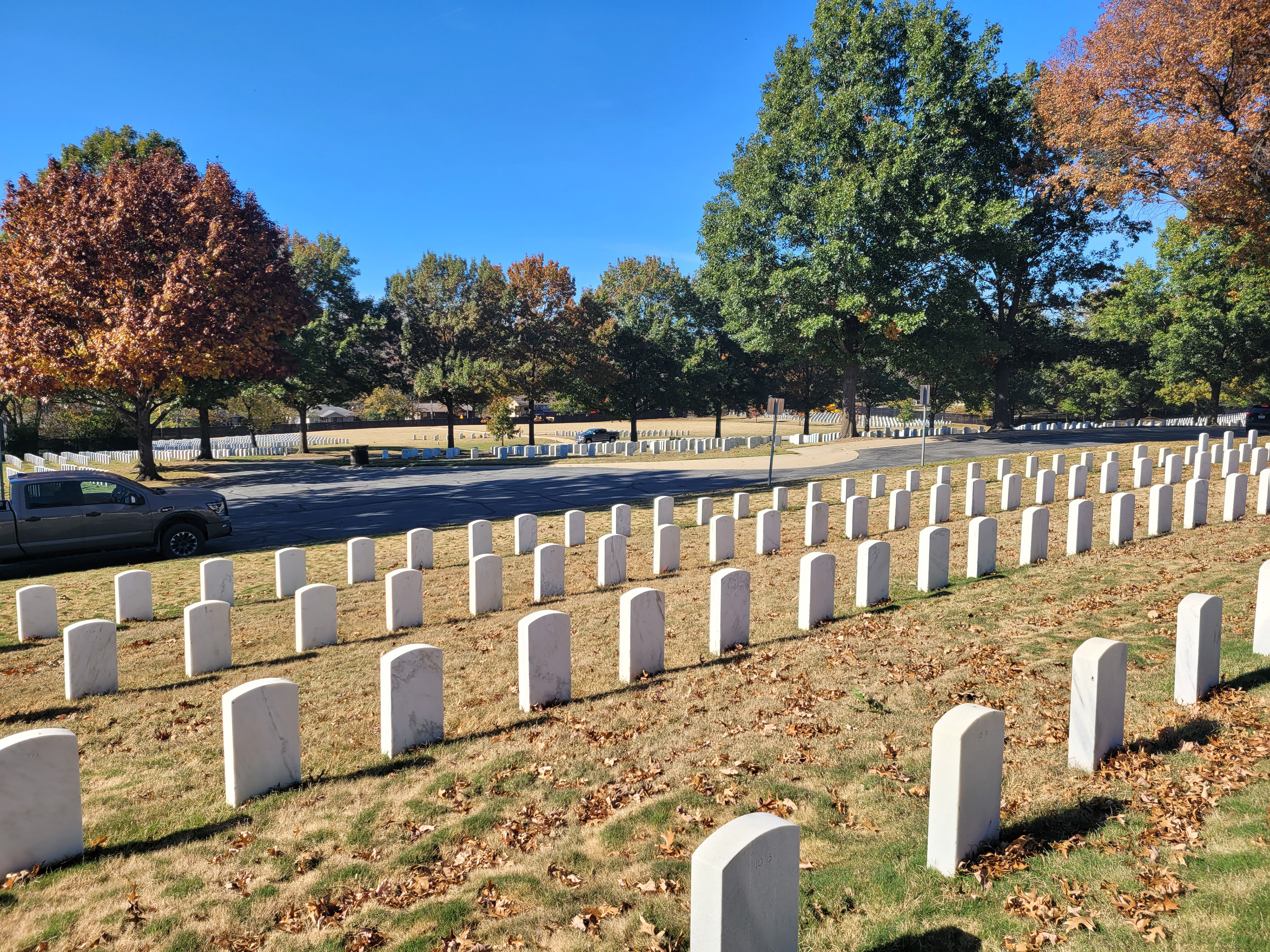
We began sketching the current wayfinding system that is in place, and brainstormed new ways to approach the problem. We considered what User Groups would be accessing the cemetery:
Visitors & Families: Searching for specific grave sites or memorials.
Veterans’ groups / ceremonial participants: Navigating during events or commemorations.
Tourists / historians: Seeking context or historical information.
Groundskeepers / staff: Managing maintenance zones or burial records.
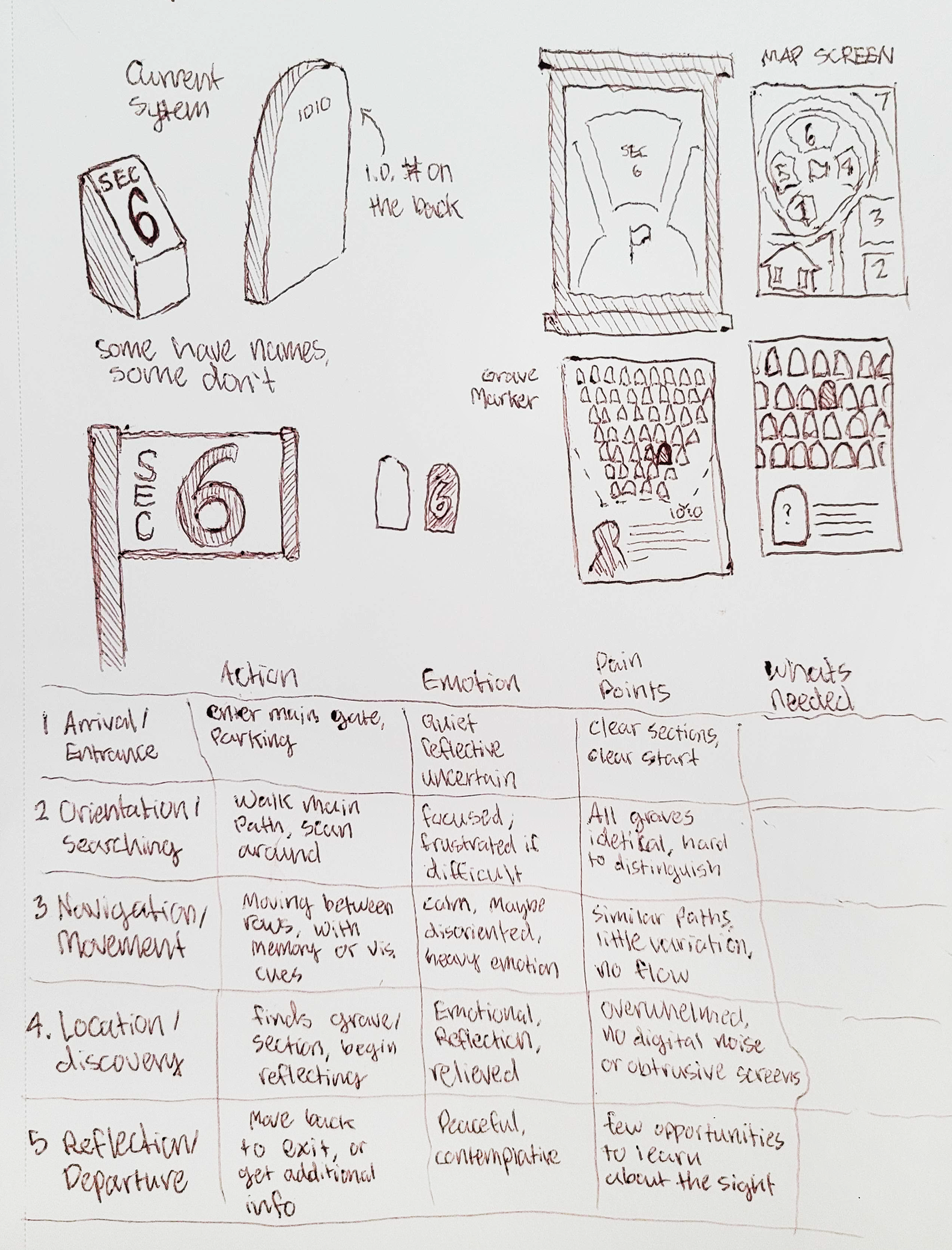
We considered all the current wayfinding challenges, such as:
Visual Homogeneity: All headstones are similar, making it difficult to orient oneself spatially.
Lack of Hierarchy: Obscure signage differentiating sections or pathways.
Emotional Navigation: Visitors often arrive in a state of reflection or grief—signage must guide gently, not intrusively.
Limited Physical Landmarks: Few visual anchors for spatial memory.
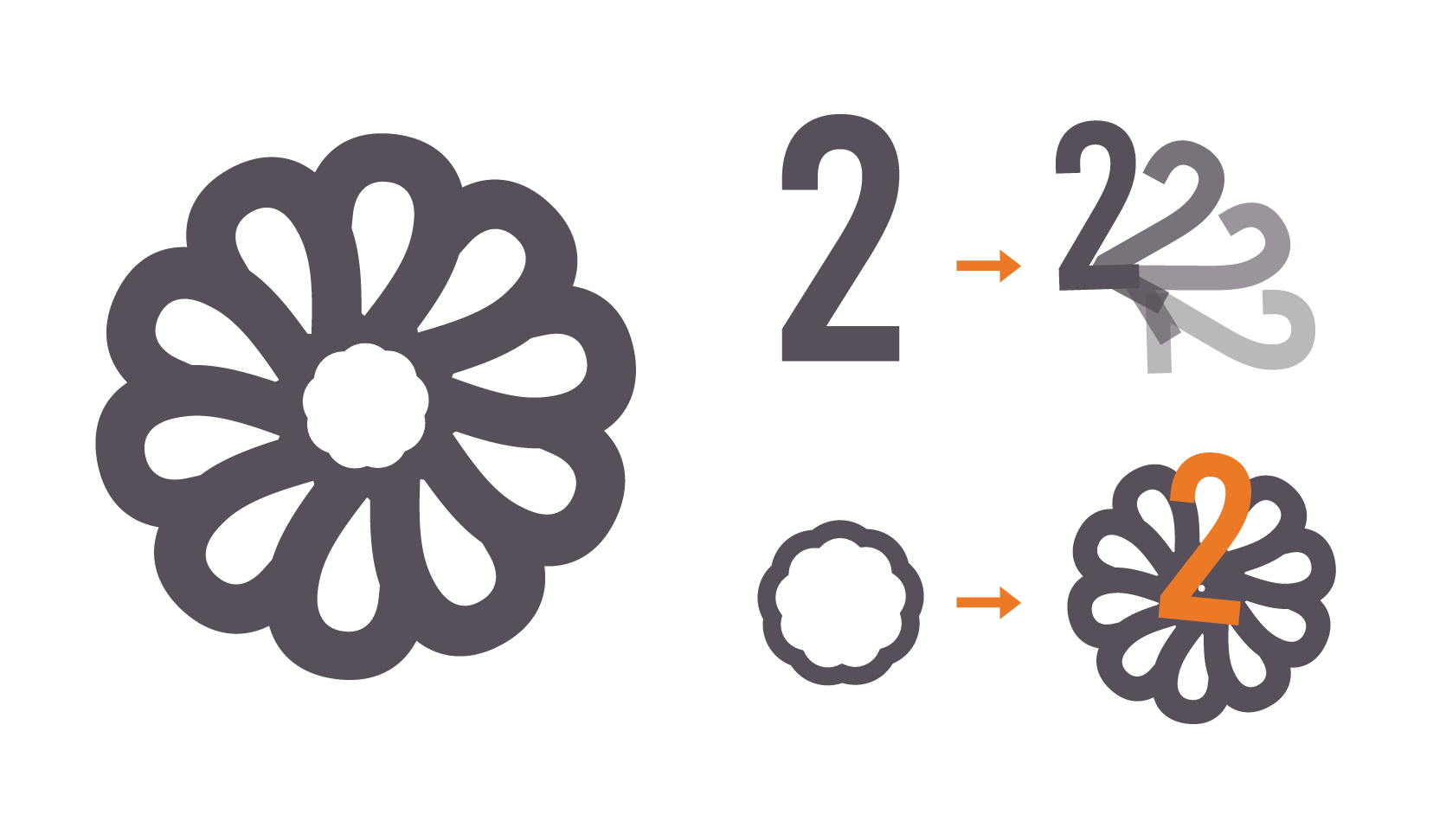
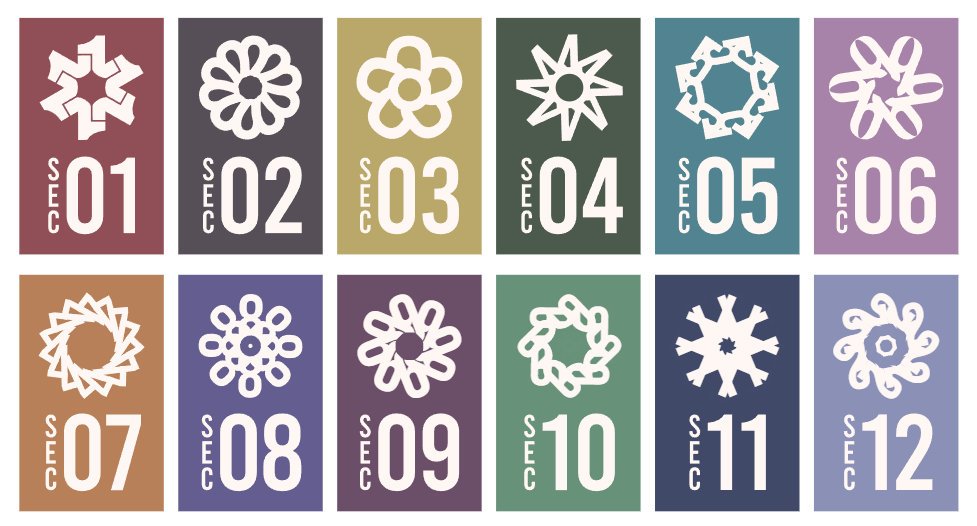
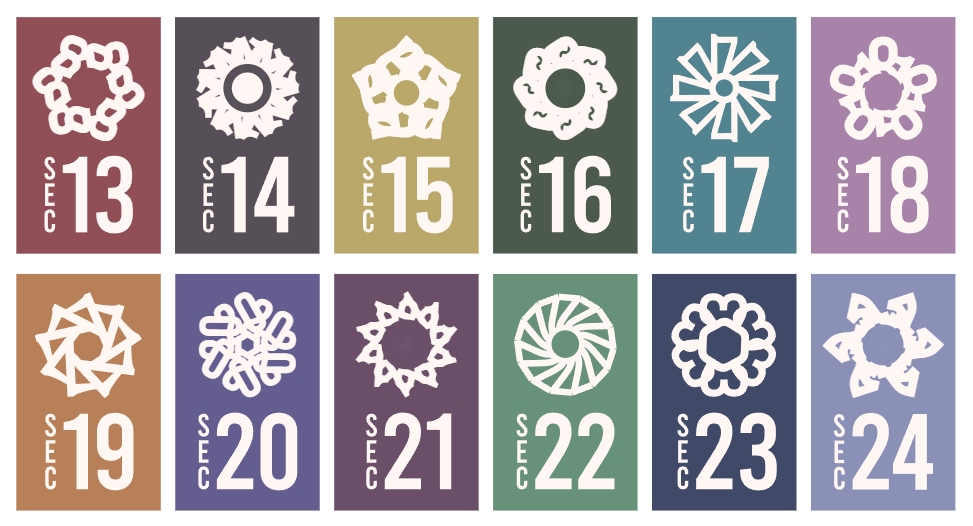
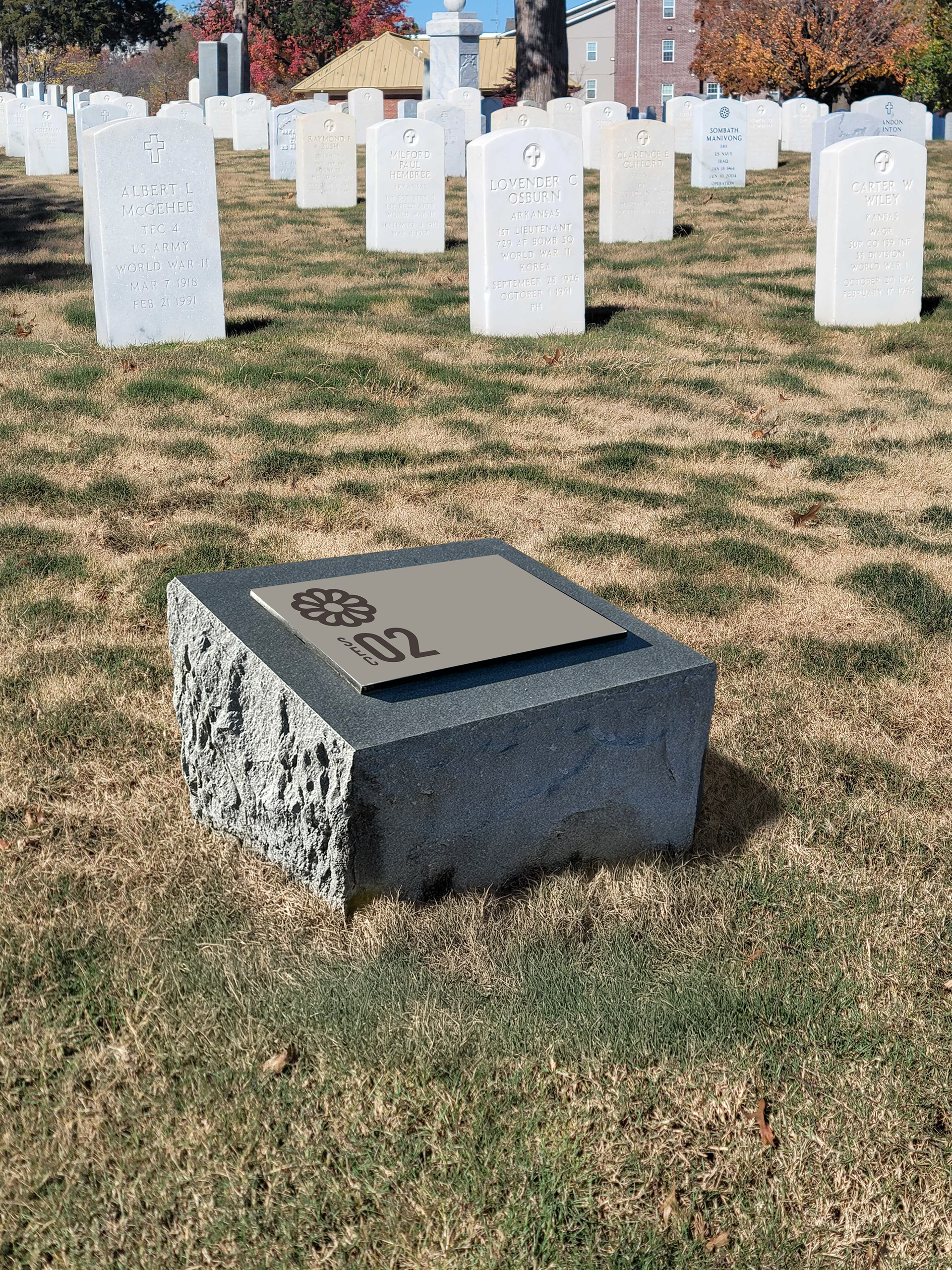
We felt that a visually intuitive navigating system that is not too obtrusive would be the best direction to go in. Taking the existing section numbers, we created a uniform flower icon set that utilized the numerals to our advantage, while balancing a unique identity for each section. The colors are recognizable and identifiable, but do not distract from reverence. Because flowers are a common offering at headstones, it felt like the perfect visual to focus on.